
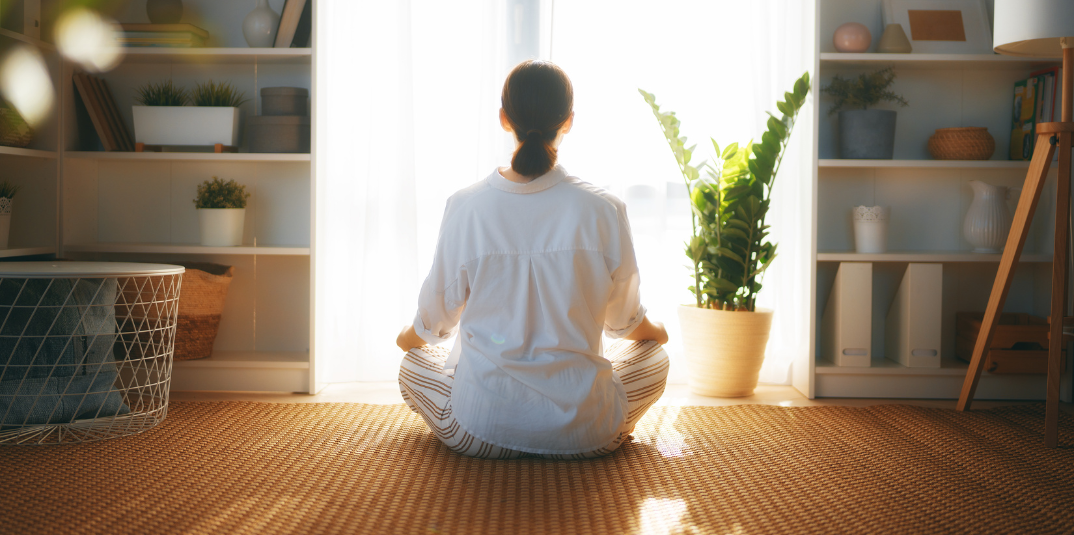
Simple daily practices for mental wellness don’t have to be time-consuming. By incorporating intentional moments into your routine, you can create a foundation for calm, clarity, and emotional balance. These beginner-friendly practices help you nurture your mental health naturally, and we’ve included product recommendations to support your journey of simple daily practices for mental wellness.
1. Morning mindfulness (5 minutes)
Start your day with a brief mindfulness practice to set a positive tone. Sit comfortably, close your eyes, and take slow, deep breaths. Focus on your inhale and exhale, letting go of any tension. If your mind wanders, gently bring your focus back to your breath. This practice helps you begin the day with clarity and intention.
To enhance your mindfulness experience, consider using tools that provide support and structure. A meditation timer app offers guided meditations tailored to different needs and skill levels, making it an excellent choice for beginners. Additionally, investing in a supportive meditation cushion can help you maintain proper posture, ensuring your practice is both comfortable and effective. These small adjustments can make a significant difference in your ability to commit to and enjoy your morning mindfulness routine.
2. Gratitude journalling (5 minutes)
Take a few moments to write down three things you’re grateful for each day. It could be something as simple as a good cup of coffee or a kind word from a friend. Gratitude journalling helps reframe your mindset, fostering a sense of positivity and contentment. This simple practice fosters a sense of positivity and helps you focus on the good in your life. Start by keeping a journal or notebook specifically for this purpose.
For added depth, try reflecting on why each item on your list is meaningful to you. This exercise strengthens your emotional connection to those positive moments. Over time, you’ll find that this practice naturally shifts your perspective, making it easier to notice and appreciate the good things in your life, even on challenging days.
To make this practice even more enjoyable, pair your gratitude journal with a set of smooth, high-quality pens to make the process feel like a ritual rather than a chore. These tools can make your gratitude practice feel special and encourage consistency.
3. Movement breaks (10 minutes)
Physical movement is essential for your mind. Set aside 10 minutes during your day for light movement, such as stretching, yoga, or a quick walk. This releases tension, improves circulation, and boosts your mood.
Movement doesn’t have to be complicated. Gentle stretches can help alleviate stiffness and refresh your energy levels, especially if you’ve been sitting for long periods. Yoga poses like cat-cow, forward folds, or downward dog are excellent for increasing flexibility and relieving tension in the spine. Alternatively, a brisk walk outdoors not only benefits your physical health but also provides an opportunity to connect with nature, which can be incredibly grounding.
Incorporate tools that make movement breaks more enjoyable and accessible. A non-slip yoga mat provides the perfect surface for stretches and poses, while a fitness tracker can help you stay motivated by monitoring your activity levels. These tools ensure that your movement practice fits seamlessly into your daily routine, no matter how busy you are.
4. Digital detox practice (5 minutes)
In a world dominated by screens, stepping away for a few minutes can work wonders for your mental clarity. Designate a screen-free time each day to disconnect from devices and reconnect with yourself. Use this time to read, meditate, or simply enjoy the quiet.
Taking a brief break from screens allows your brain to rest and reset. During this time, focus on engaging in analogue activities that bring you joy or relaxation. Whether it’s flipping through a book, doodling in a sketchpad, or simply sitting in silence, these moments can help reduce the overstimulation that often comes from constant digital engagement.
To support your digital detox, consider investing in tools that make it easier to disconnect. Blue light blocking glasses can protect your eyes during screen time and ease the transition to a device-free break. Additionally, using an analogue clock instead of your phone to check the time reduces the temptation to scroll mindlessly. These small changes help create a more intentional relationship with technology.
5. Evening wind-down routine (5 minutes)
As the day winds down, it’s essential to transition your mind and body into a state of calm to promote restful sleep. A soothing evening routine doesn’t need to take much time, just a few mindful moments can make all the difference. One effective practice is guided progressive muscle relaxation. Start at your feet and slowly work your way up, tensing and then releasing each muscle group. This technique helps release built-up tension, signalling to your body that it’s time to relax.
Enhance this practice by setting the scene for tranquility. Dim the lights, and consider using a warm, adjustable lamp or candlelight to reduce harsh brightness. Add an aromatherapy element to the mix by diffusing essential oils like bergamot and eucalyptus, known for their calming properties. These sensory cues can reinforce your body’s natural wind-down processes and prepare you for deeper, more restorative sleep.
By weaving these simple practices into your day, you’ll build a foundation for lasting mental wellness. Remember, small, consistent steps can lead to meaningful changes over time. Explore more on these strategies to find what resonates most with you and your journey.